After MichelangeloA two-minute room
It Will Take Five Years
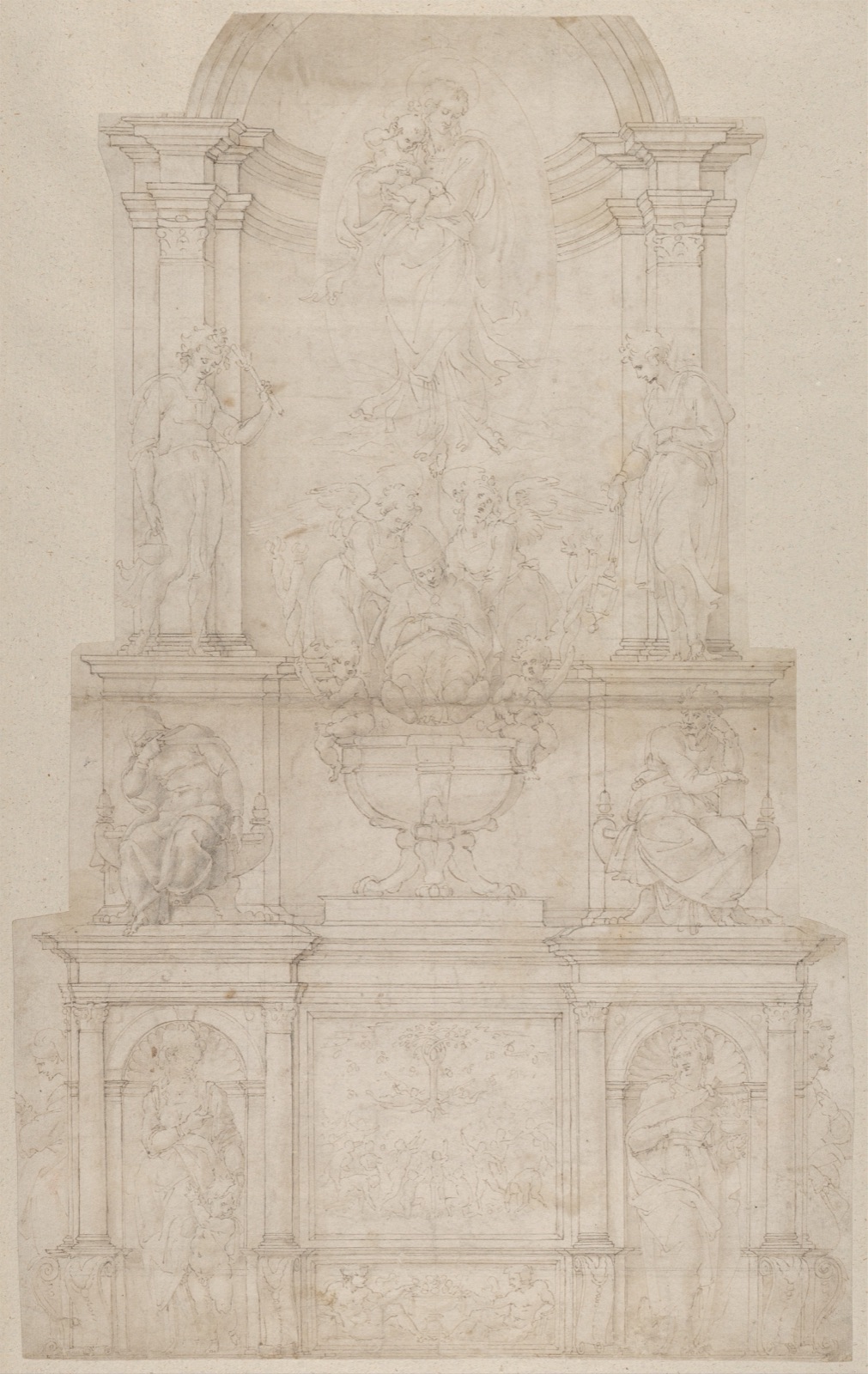
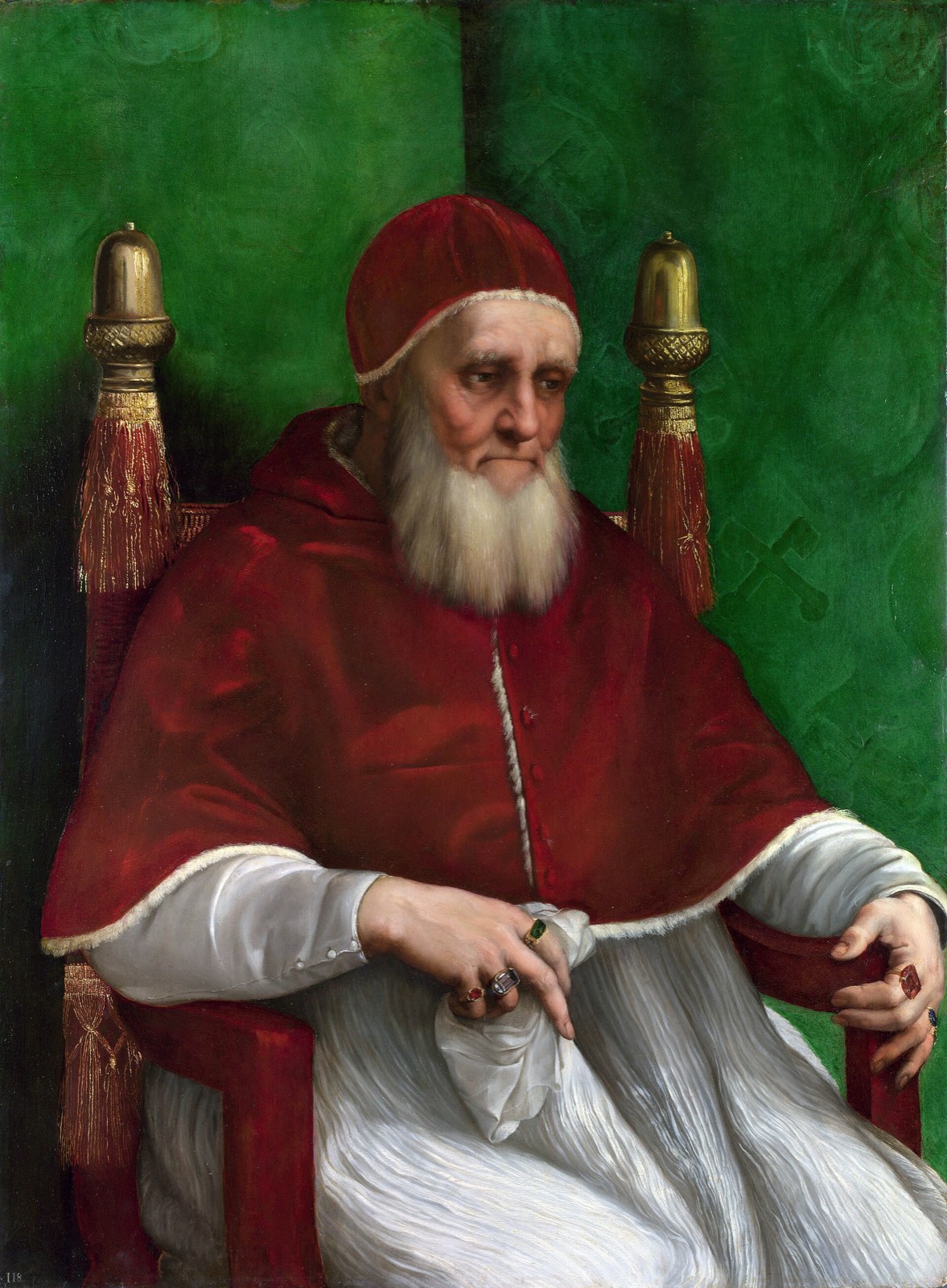
- Rome, 1505The tomb will be finished in five years,Pope Julius II orders his own tomb, with forty statues. Michelangelo is thirty. Strike the stone, or scroll, and hold him to it.
- 1505as soon as the marble comes down from Carrara,He spends eight months in the mountains choosing blocks. The first one is roughed out. Nothing is late yet.
- April 1506and the Pope is paying again,Julius wants a new St. Peter’s more, and stops buying marble. Turned away five days running, Michelangelo leaves Rome.
- 1506 to 1508and a bronze of the Pope is cast for Bologna,More than a year’s work. In 1511 it is pulled down. Vasari says the metal went into a cannon.
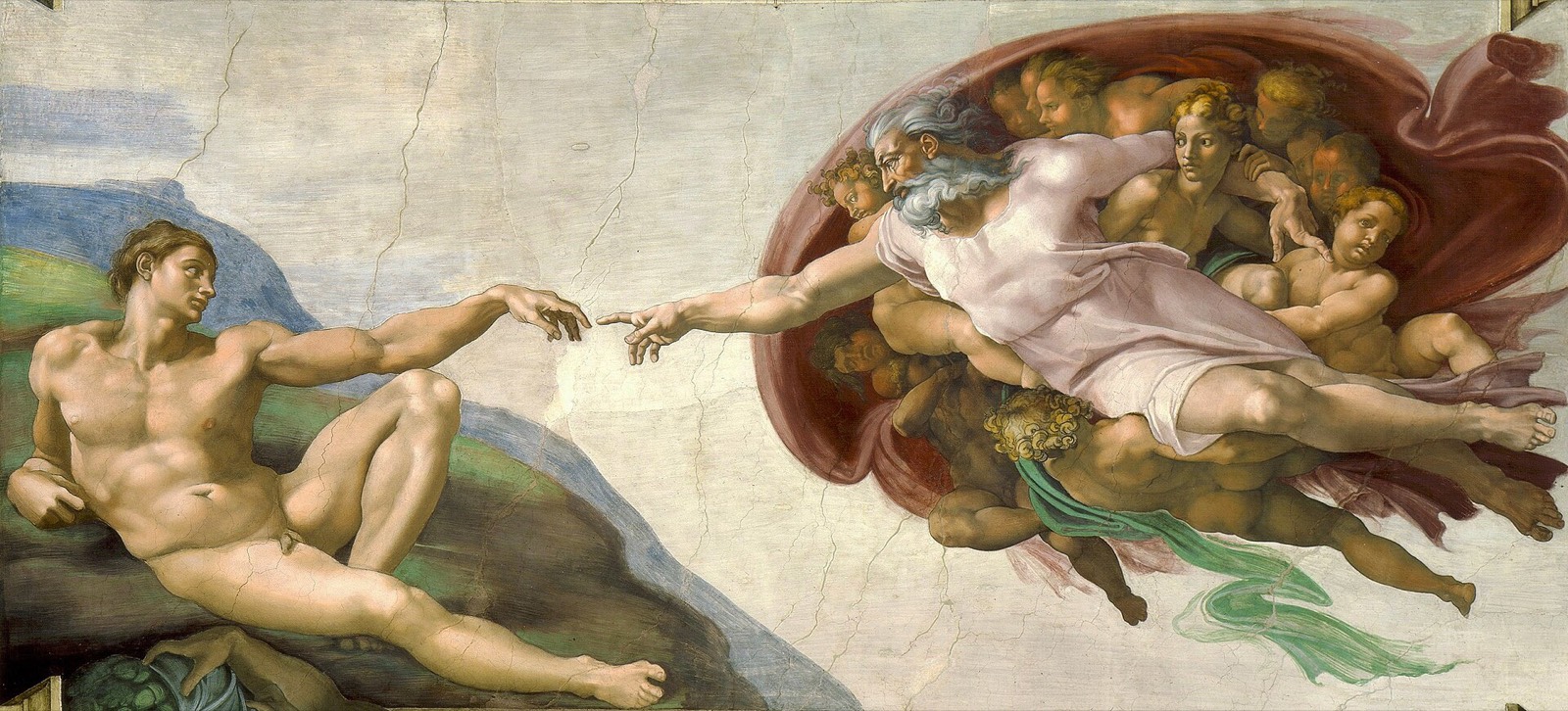
- May 1508and the ceiling of the Sistine Chapel is painted,He protests that painting is not his trade, and takes the job. It holds him until October 1512.
- 1510and the five years have come and gone,This is the day it was promised. Statues finished for the tomb: none. He is on a scaffold, painting.
- February 1513and the Pope is buried somewhere else,Julius dies with no tomb to go into, and is laid in St. Peter’s. His heirs still want the monument.
- May 1513and his heirs have signed a second contract,They know the first date failed, so they allow for it: seven years this time, and a bigger fee.
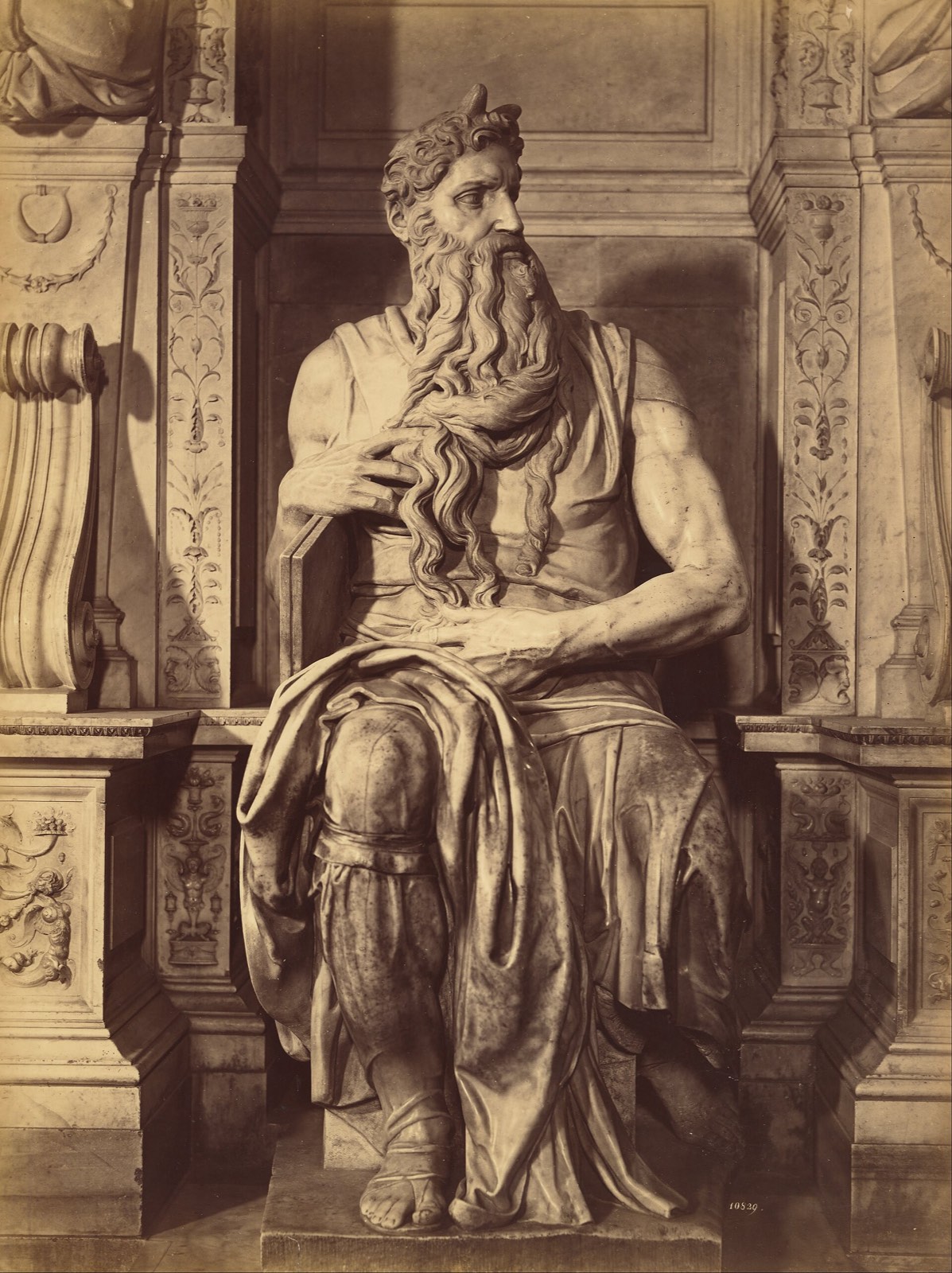
- 1513 to 1516and Moses is carved,For three years he is mostly left to it, and Moses comes out of the block. This part is the tomb.
- July 1516and a third contract is signed,Seven years will not do either. Half the statues, and a longer clock: nine years, counted from 1513.
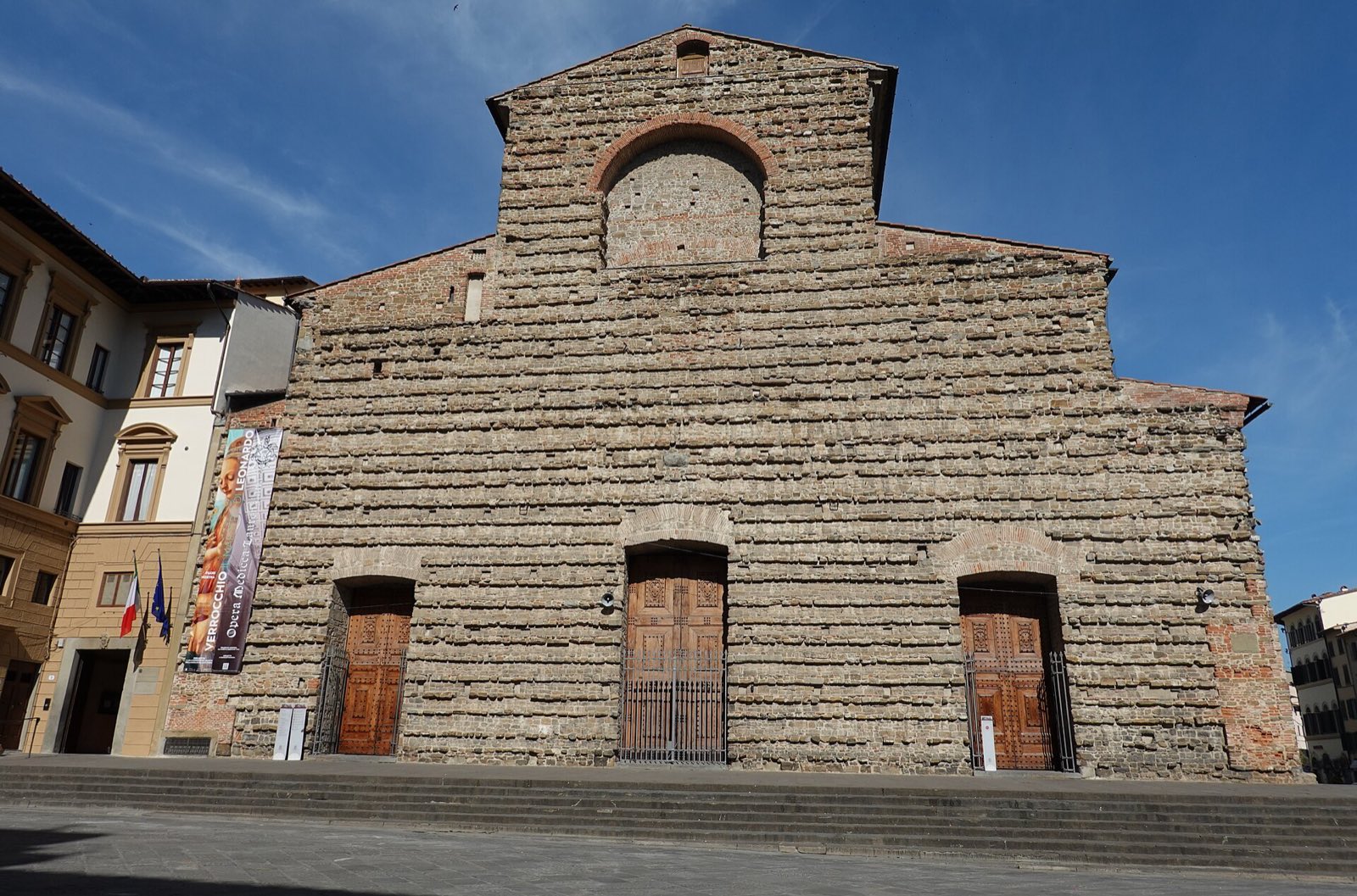
- 1516 to 1520and a marble front for San Lorenzo is quarried, and canceled,A Medici pope wants it for his family’s church in Florence. It costs three years. The front is still bare brick.
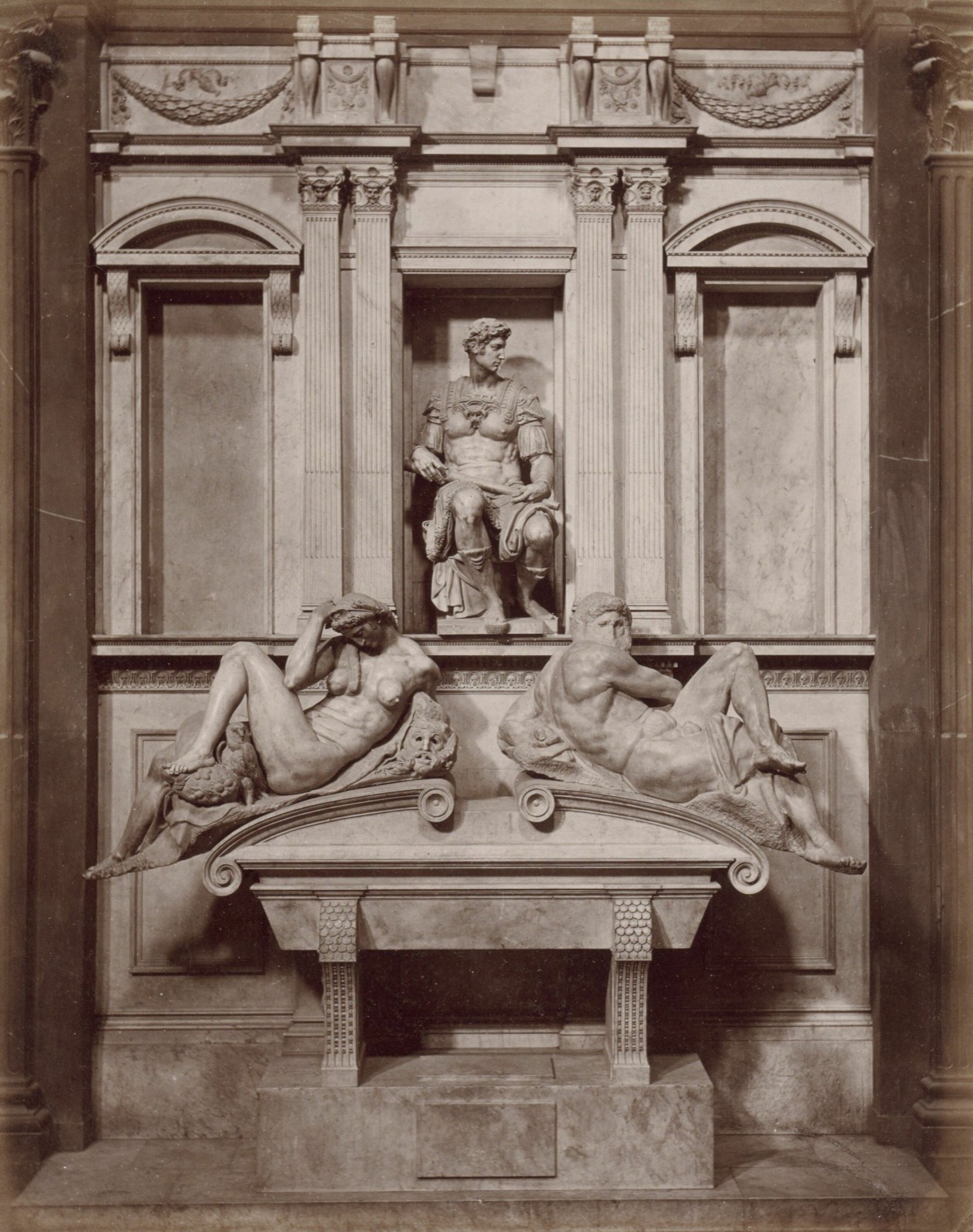
- 1520and the Medici have their chapel, and their library,The Medici keep him in Florence for fourteen more years, on tombs for their own family.
- 1522 to 1525and the heirs’ quarrel over the money is settled,The third date goes by. The heirs want their advances back. He does not want to go to law, and offers to repay.
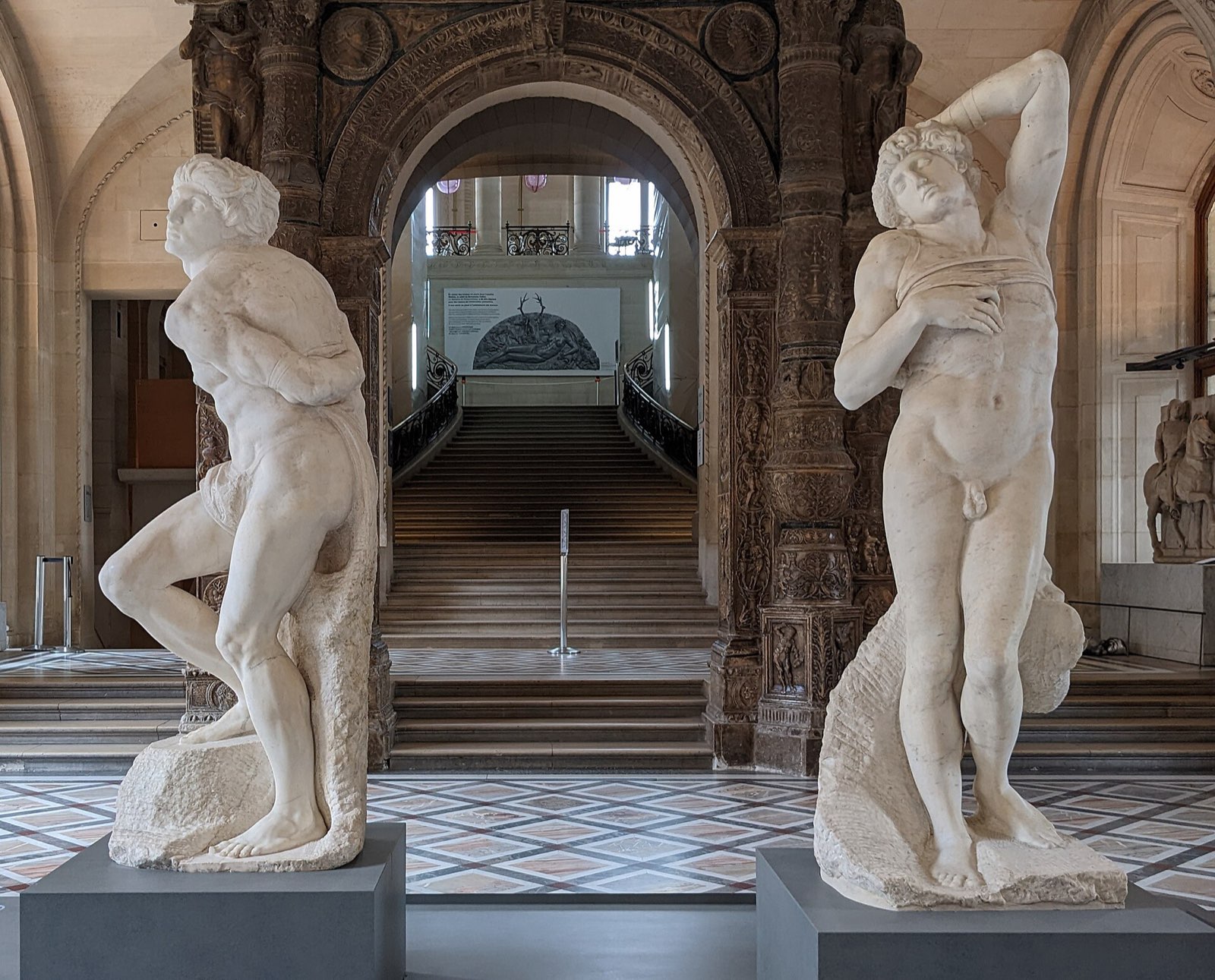
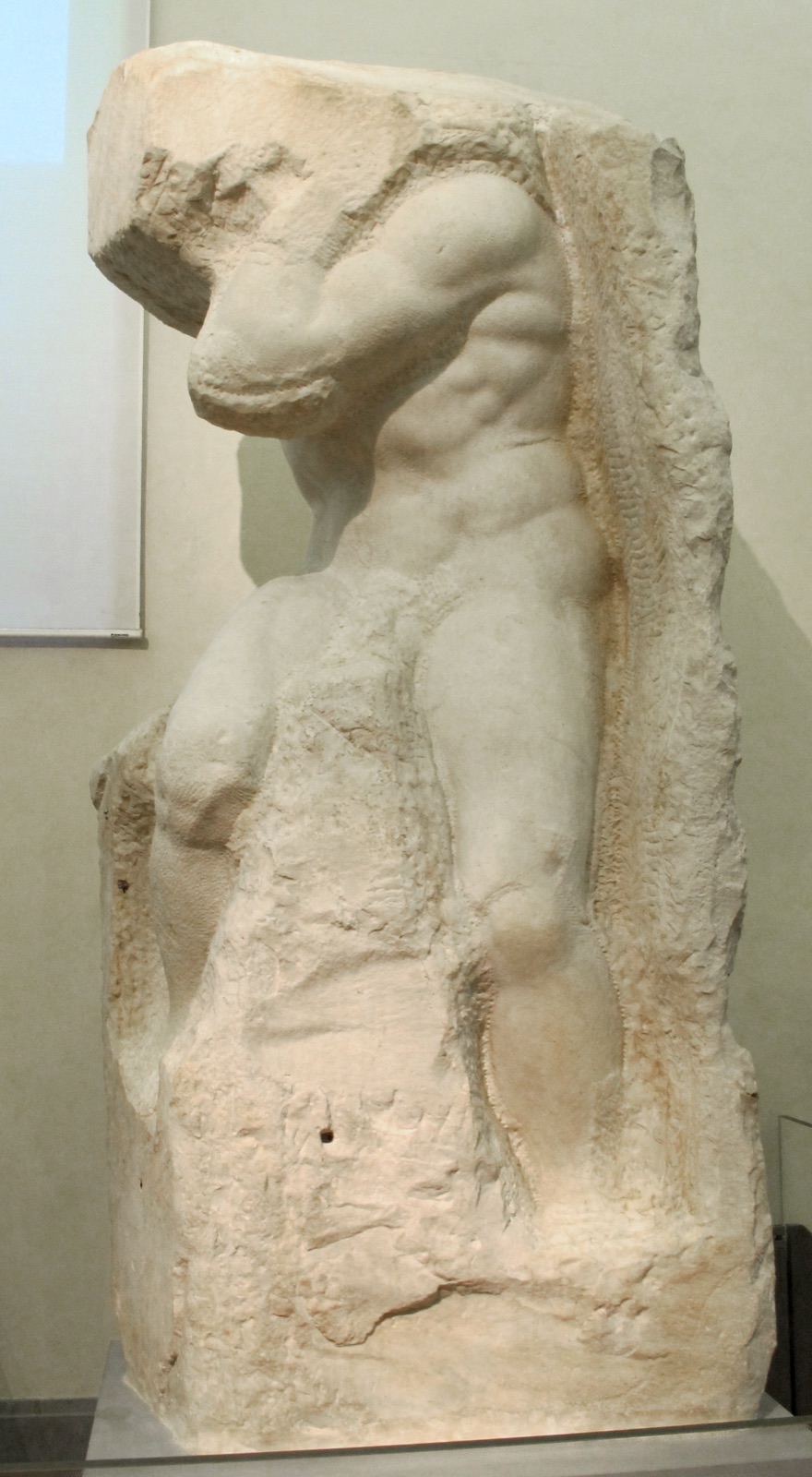
- The 1520sand four more Slaves are left in the stone,Begun for the tomb and never finished. They are in the Accademia now, still half inside their blocks.
- 1527 to 1530and Rome is sacked, and Florence besieged,Florence throws out the Medici and is besieged for it. He is put in charge of the city’s walls.
- April 1532and a fourth contract is signed,Twenty-seven years in. Not St. Peter’s after all. A tomb against a wall, six statues by his own hand, three years.
- 1534and a new pope has what he waited thirty years for,“I have had this wish for thirty years,” says Paul III. “Where is this contract? I want to tear it up.”
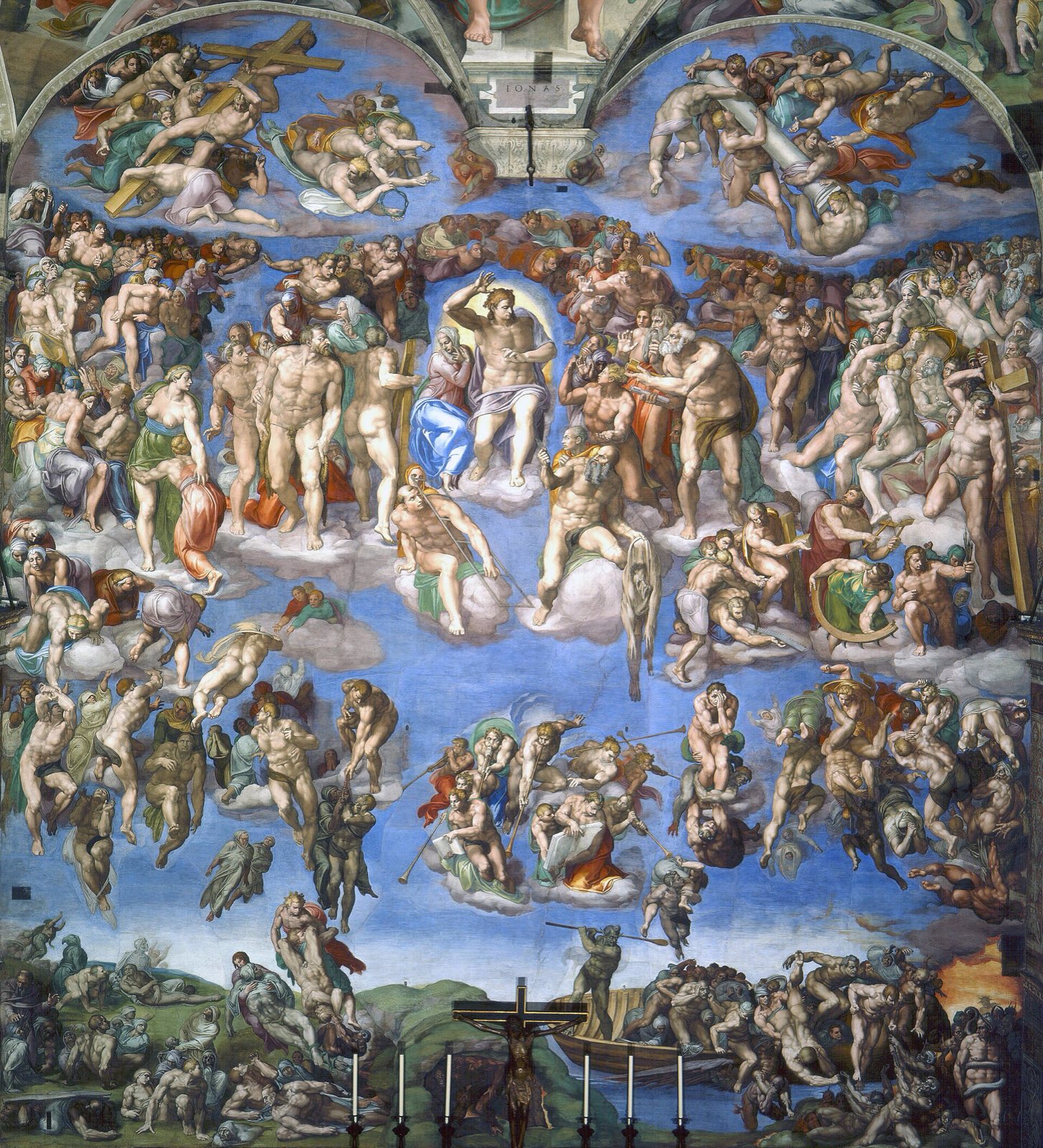
- 1536 to 1541and the Last Judgment is painted,Five years on one wall of the Sistine Chapel. The fourth date went by before he picked up a brush.
- August 1542and a fifth contract is signed, with no date in it,Only the Moses has to be his. “I find I have lost all my youth,” he writes, “tied to this tomb.”
- 1542 to 1545and Moses is finished at last,He finishes the statue he began thirty years earlier, and carves two more himself anyway, Rachel and Leah.
- Early 1545be finished, with seven statues, three by his own hand, by 1545.Forty years after the promise. Seven statues, three by his hand. Julius is not in it. He lies in St. Peter’s.
- Douglas Hofstadter, 1979It always takes longer than you expect, even when you take into account Hofstadter’s Law.The sign on the door said two minutes. You have been in here for .
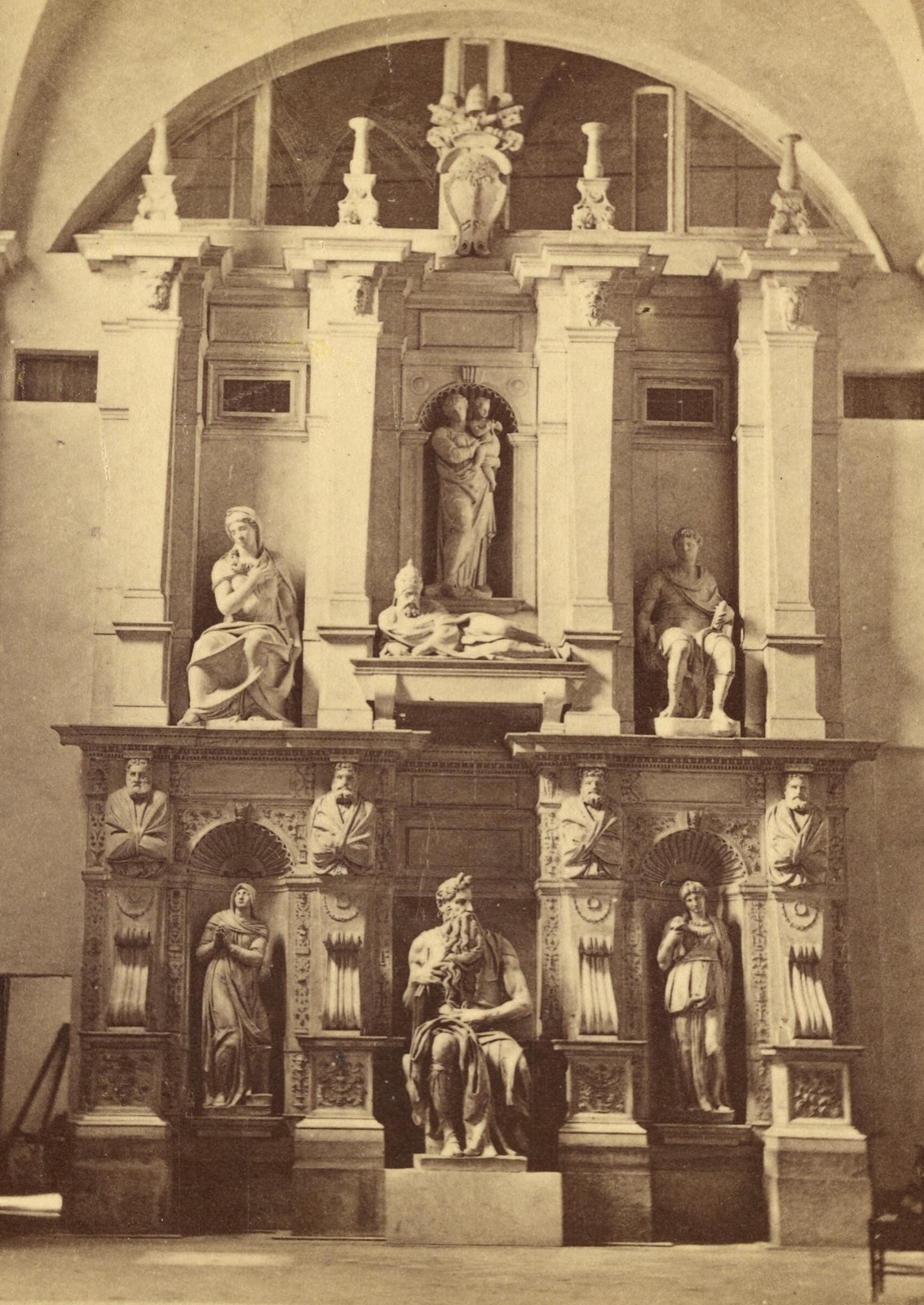
The tomb of Julius II
Five contracts, one tomb
| No. | Signed | Time allowed | Statues | Where |
|---|---|---|---|---|
| I | Spring 1505 | 5 years | More than 40 | St. Peter’s, standing free |
| II | May 6, 1513 | 7 years | 40 | One side against a wall |
| III | July 8, 1516 | 9 years from 1513 | About 20 | A shallower wall tomb |
| IV | April 29, 1532 | 3 years | 6 by his own hand | A church in Rome, to be chosen |
| V | August 20, 1542 | No date | 1 by his own hand | San Pietro in Vincoli |
A row fills in when its contract is signed. Keep going.
Hofstadter’s Law
It always takes longerthan you expect.
It always takes longer than you expect, even when you take into account Hofstadter’s Law.Douglas Hofstadter, Gödel, Escher, Bach, 1979
Hofstadter put the law in a chapter on recursion, where he was writing about chess programs. In the early days of computer chess, he says, people used to estimate that it would be ten years until a computer was world champion. “But after ten years had passed, it seemed that the day a computer would become world champion was still more than ten years away.” Herbert Simon had made exactly that prediction in November 1957: “within ten years.” A computer first beat the world champion in a match on May 11, 1997, almost forty years later.
The second half is the law
The first half is a complaint everyone has made. The joke, and the point, is the part after the comma: allowing for the law does not save you. The heirs of Julius II tried it. The first agreement, in 1505, said five years. The second, in 1513, was written by people who knew the first had failed, and it allowed seven. The third, in 1516, cut the tomb to about half the statues and stretched the clock to nine years, counted from 1513. The fourth, in 1532, asked for six statues by his own hand in three years. All four dates passed.
The fifth contract, in 1542, named no date at all, and asked for one statue by his own hand: the Moses, which he had begun about thirty years earlier. That is the one that was kept.
Where the forty years went
Not into slow carving. Left alone from 1513 to 1516, he brought Moses most of the way out of the block. The rest went to jobs that outranked the tomb: a bronze, a ceiling, a church front that was canceled after three years, a family chapel, a library, a siege, and one more wall. Every one of them came from a client with more power than the last contract. An estimate made from the plan assumes the plan is the only thing that will happen.
Does it hold up?
Daniel Kahneman and Amos Tversky named the planning fallacy in a 1977 report, published in 1979, the same year as Hofstadter’s book. In 1994 Roger Buehler, Dale Griffin and Michael Ross asked students when they would finish their theses. The average guess was 33.9 days. Asked for the date if everything went as poorly as it possibly could, they said 48.6 days. The theses took 55.5. Fewer than half were done even by the worst-case date. That is the second half of the law, measured.
Software behaves the same way, with a twist. Reviews of project surveys by Kjetil Moløkken and Magne Jørgensen put most projects over their estimate, by 30 to 40 percent on average. Bent Flyvbjerg and Alexander Budzier looked at 1,471 IT projects and found an average cost overrun of 27 percent, but one project in six ran 200 percent over on cost and almost 70 percent over on time. So “always” is the joke. Most overruns are modest, and a few are the tomb.
In software
- Ask what happened last time. Kahneman tells this one against himself. His team guessed their textbook would take about two years. A colleague then remembered that similar teams had taken seven to ten, and that about four in ten never finished. Theirs took eight. The record of similar work beats the plan in front of you.
- Padding is not the fix. Five years became seven, then nine. A buffer covers work that goes slowly. It does not cover a different job arriving, and that is where the time went.
- Count the interruptions. For most of the forty years the stone was not hard. It was waiting. A schedule that lists only the task has left out the thing that decides the date.
- Cut the statues. What finally shipped the tomb was scope: forty statues, then twenty, then six, then one, and no date. “Statue 1 of 1” is a promise a person can keep.
The stone
The finished tomb is in San Pietro in Vincoli in Rome. It has seven statues. Three are by Michelangelo: Moses, and the two he carved at the end, Rachel and Leah. Julius is not in it; he is buried in St. Peter’s. Two Slaves carved for the first designs were left out and given away, and are in the Louvre. Four more were never finished and stand in the Accademia in Florence, still half inside their blocks. His biographer Ascanio Condivi, writing in 1553, called the whole affair “the tragedy of the tomb.”
Said as one sentence, the way a schedule gets said, it goes: “The tomb of Julius II will, as soon as the marble comes down from Carrara, and the Pope is paying again, and a bronze of the Pope is cast for Bologna, and the ceiling of the Sistine Chapel is painted, and the five years have come and gone, and the Pope is buried somewhere else, and his heirs have signed a second contract, and Moses is carved, and a third contract is signed, and a marble front for San Lorenzo is quarried, and canceled, and the Medici have their chapel, and their library, and the heirs’ quarrel over the money is settled, and four more Slaves are left in the stone, and Rome is sacked, and Florence besieged, and a fourth contract is signed, and a new pope has what he waited thirty years for, and the Last Judgment is painted, and a fifth contract is signed, with no date in it, and Moses is finished at last, be finished, with seven statues, three by his own hand, by 1545.”
How the room is made
The figure is a real one: a 3D scan of the upper part of a plaster cast of Moses in the Statens Museum for Kunst in Copenhagen, which the museum has released into the public domain. Each of its 55,000 points has two homes, one on Moses and one on the face of a block drawn around him, and a single number slides every point from the block to the figure, front first. The light is a candle that follows your pointer. The year, the Roman numerals, the popes, the rail on the right and the place “Skip to the end” takes you are worked out by the stylesheet from your scroll position, with animation-timeline, typed custom properties and CSS counters.
The room simplifies. No contract survives from 1505; its terms are known from later letters and contracts. Sources give between nineteen and twenty-two statues for 1516. A design sent in 1526 was rejected and is not counted. The dates of the unfinished Slaves are disputed. Moses is usually dated about 1513 to 1515 and was finished and placed between 1542 and 1545; how far each blow takes him out of the stone, and the first cuts in 1505, are ours. On the stage, San Lorenzo is photographed by Richard Mortel (CC BY 2.0) and the unfinished Slave by Sailko (CC BY 3.0); both are cropped and darkened.